


 Zoey
Zoey
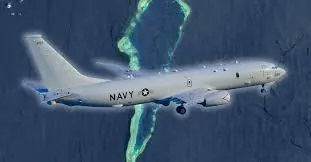
China Collected Submarine-Finding Sonar Device US Navy South China Sea
The event involving china gathering sonar equipment of the submarine locator US Navy South China Sea operations deployed is a big step forward in the currently existing strategic rivalry between Washington and Beijing. In December 2016, a Chinese naval ship intercepted an unmanned underwater vehicle that was making oceanographic study in the international waters, northwest of the Subic Bay in Philippines. With this confrontation, the issues of freedom of navigation, military operations in disputed waters, and the technological intelligence merit of advanced maritime surveillance devices deployed around the region were in focus.
Background of the Incident Where China Collected Submarine-Finding Sonar Device US Navy South China Sea.
The exact event of the sonar equipment of the submarine scanning by China of the US Navy South China Sea forces deployed took place some 50 nautical miles northwest of Subic Bay in the Philippines. The oceanographic survey ship USNS Bowditch of the US Navy was on routine mission, where it was deploying and recovering unmanned underwater vehicles to conduct oceanographic survey such as salinity, water temperature and sound velocity profile. Such measurements assist the naval forces to be aware of the underwater acoustic conditions which influence the sonar performance and detecting capabilities of the submarines.

As USNS Bowditch was about to retrieve two of the drones that had gone underwater on December 15, 2016, a Chinese Dalang III-class submarine rescue vessel came close to the region. Chinese sailors had, before American sailors were in a position to bring back both of the vehicles, put a small boat in the water, grabbed one of the drones, and had gone back to their ship. The act that gave China an opportunity to search submarine sonar equipment US Navy South China Sea crewmen at work did it in plain sight of the American vessel making it a unique head on collision of military surveillance equipment.
The equipment captured by China as it swept up a sonar device used to locate where the submarines were US Navy South China Sea operations involved an Ocean Glider produced by Teledyne Webb Research. These underwater vehicles are autonomous such that they are capable of operating over months, and even measure up to 1,000 meters under the water gathering oceanographic information. Even though the US Navy described the drone as unclassified equipment to conduct scientific research, the intelligence potential of such systems especially in the respect of detecting submarines, the seizure had a strategic value in the long run beyond its short-term diplomatic consequences.
Strategic Situation of South China Sea Where China Collected Submarine-Finding Sonar US Navy South China Sea.
To gain insight into the reasoning behind the sonar device used to locate submarines being gathered by China being a part of the US Navy forces in the South China Sea, it is necessary to look at the bigger picture of the contested region. South China Sea harbors important shipping routes with trillions of dollars worth of business every year, huge hydrocarbon deposits, and excellent fishing areas. China asserts that it has sovereignty over all of the South China Sea with a famous nine-dash line that was not accepted by the other countries or the world courts, yet forcefully through military activities and artificial islets.
The waters that China had gathered the submarine-finding sonar device US Navy South China Sea personnel dropped are strategic in relation to submarine operations. The depths of South China Sea and its complex underwater topography coupled with acoustic conditions provide a challenge and an opportunity to submarine warfare. The growing submarine fleet of China, including nuclear powered ballistic missile submarines offering a good strategic deterrence, is deployed in these waters. The information that was gathered by oceanography instruments such as those installed by China on submarine-finding sonar device forces of the US Navy in the South China Sea enable the naval planners to have a better understanding of the acoustic conditions that influence the ability to detect a submarine.
The freedom of navigation operations by Americans across the South China sea is a constant challenge to Chinese territorial claims since Americans insist on their right to carry out military operations in the international waters. These operations that escalated in the Obama regime and even in the present regimes of the succeeding presidents involve surveillance that is conducted by means of ship, aircraft and unmanned systems. The case of China gathering submarine-finding sonar device US Navy South China Sea operations was conducted on this background of long-standing strategic rivalry and mutual interpretations of the international maritime law.
Technical Capability of Equipment China Collected Submarine-Finding Sonar US Navy South China Sea.
The Ocean glider which was gathered by China of submarine-finding sonar device US Navy South China Sea forces symbolizes advanced autonomous technology with major military effects in spite of it being scientifically oriented. These are cars that navigate the water columns using variations in buoyancy which surfaces occasionally to transmit data gathered by the cars using satellite communications. The sensors on the particular vehicles such as the ones China had deployed submarine-finding sonar device US Navy South China Sea crew deployed are the ones that measure oceanographic parameters that have a direct impact on underwater acoustic propagation.
Knowledge of the propagation of sound in ocean water is critical in the detection of submarines and anti-submarine warfare. Layers are formed by water temperature, salinity, and pressure that in some cases direct acoustic energy to travel over a large distance, and sometimes produce shadow zones that allow sub-marines to go undetected. The information that was collected by equipment that China installed to detect submarines sonar US Navy South China Sea operations relied on assists with the development of correct models of these acoustic environments, enhancing sonar performance and submarine stealth estimations.
Although the US Navy claimed that the drone that was seized only contained unclassified scientific tools, the intelligence provided by the device that China had taken was not just limited to its hardware. The previous oceanographic information and deployment trends, and operation procedures related to such systems are all very informative when it comes to the priorities and capabilities of the American surveillance. Information in the technical analysis of the device by China would indicate the US oceanographic survey techniques, sensors, and priorities on data collection in the region.
Diplomatic Crisis After China Spy Sonar Found South China Sea.
The diplomatic action in which China had harvested submarine-detecting sonar device US Navy South China Sea workers utilized made instant strains between Washington and Beijing. The Pentagon made a formal démarche at the diplomatic level, which required the release of a drone and called the seizure illegal. The US officials observed that the event had taken place in the international waters as part of the legitimate military activities hence, the Chinese actions were a breach of the customary international law and freedom of navigation which governs the military activities in the waters beyond the territorial seas.

The first reaction of China to the pressure to implement the equipment collected by China in the submarine-finding sonar device was an underline of the understanding of American military actions in the territories of Chinese jurisdiction. The Chinese authorities claimed that US surveillance activities posed a threat to the security of the region and navigation security, which is why they did this to defend the rights in the sea. The Ministry of National Defense also claimed that they were going to deal with the device in an appropriate manner without committing to the immediate hand-over of the same in spite of the diplomatic pressure.
The situation was also heightened after President-elect Donald Trump tweeted days before he was to be inaugurated that China should retain the drone, saying, “let them have it! This nontraditional reaction to the event in which China had gathered sonar device to locate submarines operations that were being run by the US Navy in the South China Sea complicated the diplomacy and the event indicated a possible change in US-China policies. Things later on took a new turn as China finally conceded to give back the device after a few days of negotiations putting an end to the immediate crisis but the underlying tensions of military operations in the disputed waters remained unresolved.
Official Implications of International Law When China Seized Submarine-Finding Sonar US Navy South China Sea.
The legal concerns related to the case when China gathered submarine-finding sonar equipment US Navy South China Sea forces engaged in are complicated questions of military operations in the exclusive economic zone and customary international maritime law. The United Nations Convention on the Law of the Sea (UNCLOS) makes coastal states have sovereign rights over resources within exclusive economic zone that extends up to 200 nautical miles along coastlines, but specifically does not say anything on military surveillance operations. The United States views UNCLOS as allowing such military activities as surveillance within an EEZ whereas China claims that such actions need consent of the coastal state.
The point at which China deployed sonar device to locate the US Navy underwater submersibles South China Sea navigators were on was perceived as 50 nautical miles off the Philippines and this fell under the jurisdiction of the Philippines under the UNCLOS provisions. Nevertheless, the fact that Chinese people assert South China Sea as their own land on historical grounds makes jurisdictional issues complex. The vast maritime claims by China have been dismissed by international tribunals, but Beijing is not willing to acquiesce to them, and this leaves a constant legal confusion on which country has the jurisdiction to carry out the act within the conflicting regions.
The case that was set when China gathered submarine seeking sonar device US Navy South China Sea forces employed was concerning about the occurrence of such cases in the future. When there were no consequences on seizing American military equipment in the international waters, the same would be repeated by China. On the other hand, in case America reacted too aggressively, the risks of escalation were higher. The diplomatic solution that saw China deliver the device was a saving face on both sides without having to create any legal precedent in the case that would have been created through the normal adjudication process concerning military surveillance practices.
Submarine-Finding Sonar device Intelligence and Security Concerns about China Collected US Navy South China Sea.
The time frame in which China amassed submarine-finding sonar device US Navy South China Sea operations was deployed gave the Chinese intelligence agencies ample time to study American technology and how it conducted its operations. Although some of the equipment installed in the Ocean Glider was not in Chinese, the sensors, programs and data collected all offered information that would be of value to China military planners. Dealing with the reverse engineering of the device might expose the technological strengths of the Americans along with sensor behaviors and signal processing formats applied in oceanographic surveillance.
Information that China had recorded on the gear it used to scan the bottom of the sea found US Navy signals South China Sea sonar system operations that it likely identified certain operational patterns and intelligence priorities. The areas in which the drone was flying, the depths to which they were able to take measurements and even when they were deployed all indicated which areas and conditions were of interest to American naval planners. This intelligence operation, working together with technical analysis of the device per se, gave China an in depth insight into US surveillance abilities and practices across the disputed territory.
Security measures of dealing with the event where adversaries take possession of sensitive equipment were called into question following the collection by China of submarine-finding sonar devices US Navy South China Sea personnel deployed. There were concerns as to whether the drone had sufficient anti-tampering measures, its data storage was securely encrypted, and whether recovery measures were sufficient to prevent seizure. The accident led to consideration of security in unmanned systems used in contested areas where interruption by the adversaries can still take place.
Implications to US-China Military Relations After China Took Underwater Sonar equipment US Navy South China Sea.
The overall effect on military relations following the gathering of sonar devices to locate the sub-marines by the Chinese saw its effect extended beyond the immediate impact. The capture showed that China was willing to intervene directly into the military activities of the United States and it crossed the boundaries that used to limit the behavior of opposing naval units in the past. As the two militaries would work side by side all over the South China Sea, physical seizure of equipment was an escalation of other activities such as surveillance, tracking, and verbal warnings which had been the only precedent of the previous encounters.
Chinese military thought was developing a trend of the military to defend the so-called maritime regions not by their presence, but by offensive means. This more aggressive attitude was reflected in the decision to seize machinery when China gathered submarine-finding sonar device US Navy South China Sea operations deployed. The Chinese strategists figured out that the show of willingness to intervene in the activities of the Americans would prevent any further activities in the future and would be used to test the reactions of US to the intervention without reaching levels that would precipitate military action against the US.
Incident Gathers In China China Gathers Submarine-Finding Sonar Device South China Sea.
It was noted keenly by the regional countries as China amassed submarine-finding sonar device US Navy South China Sea staff deployed, as they realized that they would face repercussions in their own land-related conflicts with Beijing. Other nations such as Vietnam, the Philippines, Malaysia and Brunei still stand at competing claims to territories of the South China Sea, partly on American security alliances and freedom of navigation exercises as a means of balancing Chinese power. With the seizure, China showed readiness to employ force claiming maritime rights and this gave concern that such actions could be applied to the vessels or equipment of the regional countries.

Conciliatory policies toward China were adopted by the Philippines, led by President Rodrigo Duterte even after the country won a landmark tribunal case against the Chinese on maritime claims. The event when China collected submarine-finding sonar equipment US Navy South China Sea forces operated has happened off the Philippine waters but there was silence of response by Manila as Duterte had earlier emphasized on economic relations with China rather than on territorial conflicts. This strategy was opposed to the closer alignment of the South China Sea issues by previous governments in the Philippines to the American stances.
US Navy South China Sea Lasting Implications of China Collected Submarine Finding Sonar Device.
The case when China already gathered submarine-finding sonar device US Navy South China Sea forces deployed is still known years later as a milestone of the US-China strategic tussle. The capture proved that technology level and military strength could not ensure safety of operations in disputable areas where enemies act as they want. The short-term crisis once again brought to the fore the underlying tensions in the area in terms of maritime rights, military operations in contested areas, and the difficulty of maintaining great power rivalry without spilling over to full-scale war.


GIPHY App Key not set. Please check settings